The Carbon Structures Behind Persistent Activation
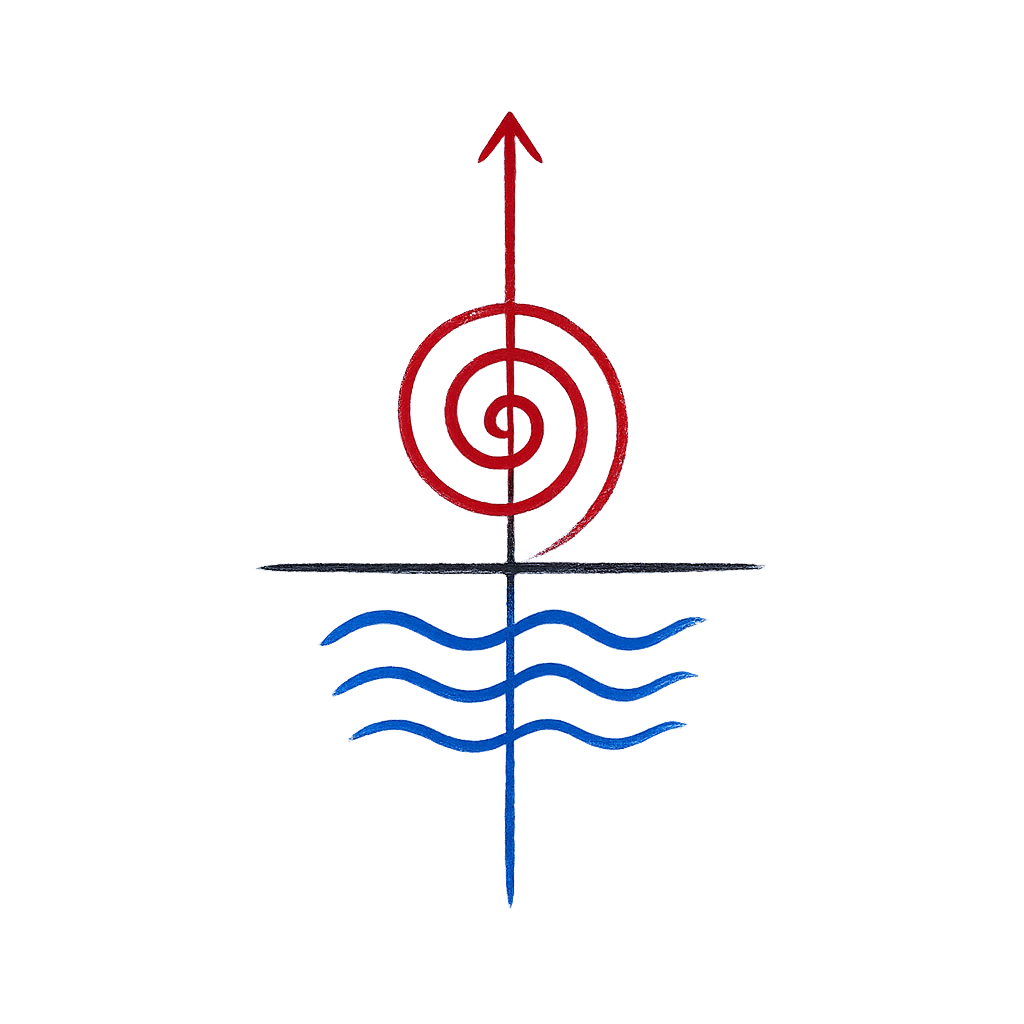
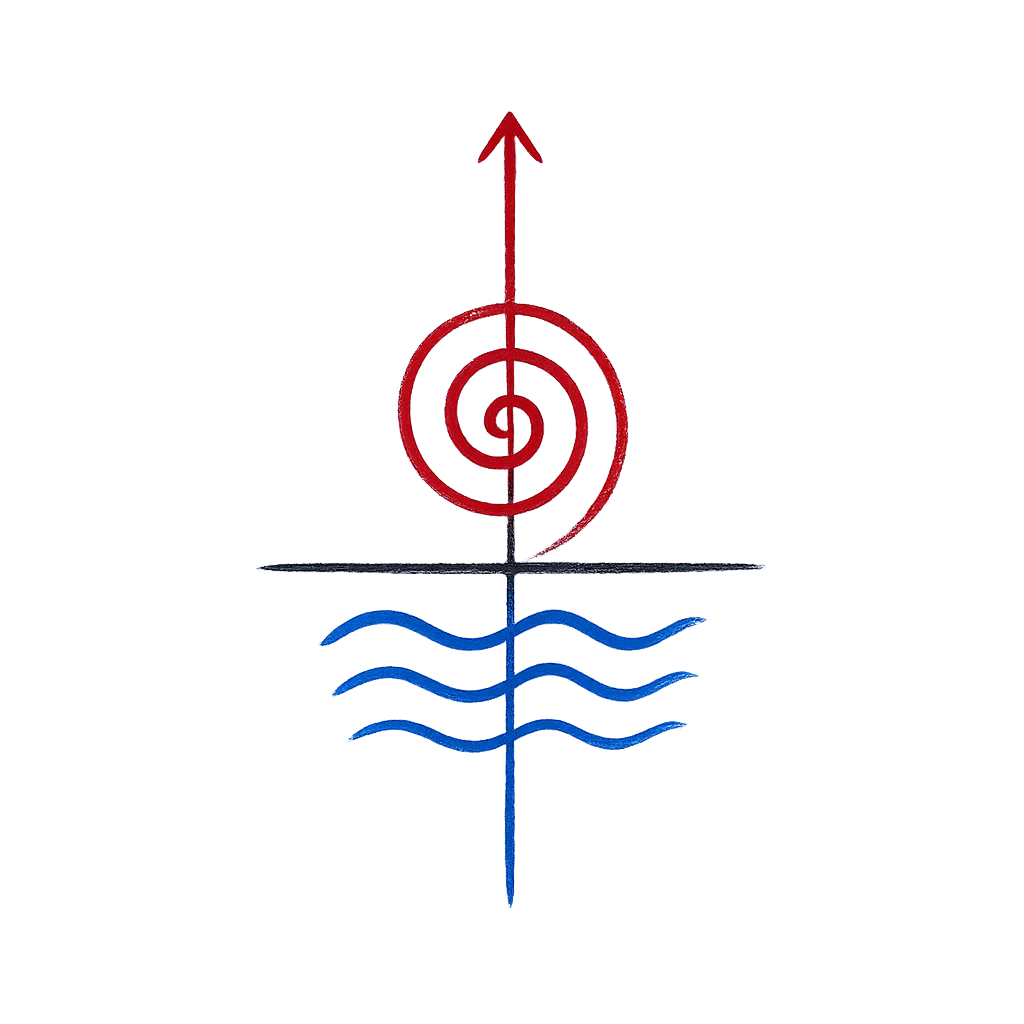
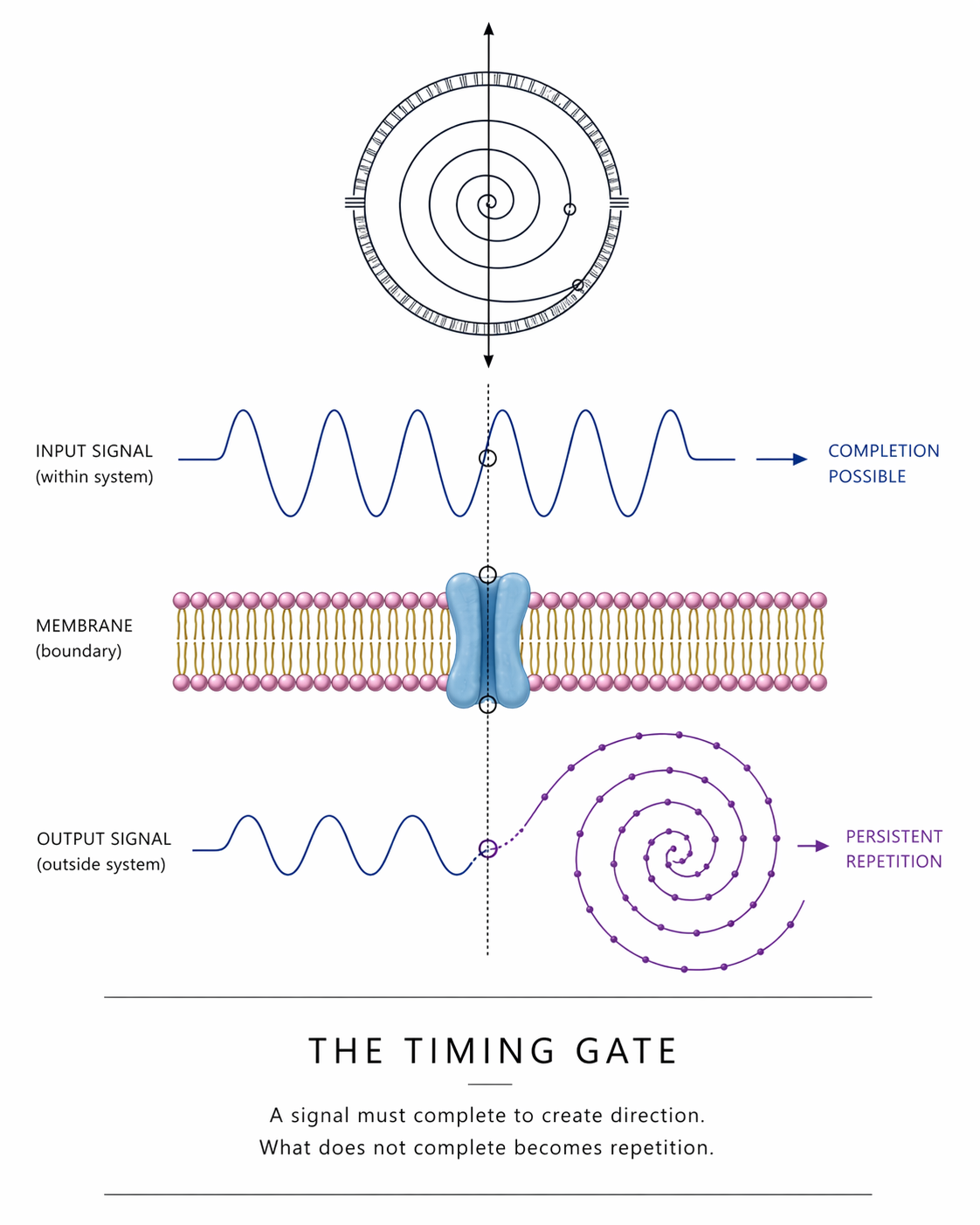
What persists in addiction is not desire, it is activation that did not complete
From The Architecture of Addictive Energy
We already know these substances.
Tobacco carried through ritual and medicine, coffee woven into attention, work, and endurance, cannabis moving between healing, prohibition, and return, alcohol present across history as both bond and burden. Their presence is not new. Their roles have been described, interpreted, and repeated across cultures and time. Their stories are familiar. They have been named, studied, regulated, and explained, and yet the pattern they produce has not disappeared. It persists with a consistency that is difficult to ignore. Across different societies, different environments, and different historical periods, the same types of molecules continue to produce the same kinds……
This consistency is not incidental. It is the unresolved point. Because these histories explain how humans encountered and used these substances, but they do not explain why these particular molecules are able to enter biological systems and alter regulation with such precision. They do not explain why the effect is not random or chaotic, why it does not vary endlessly between individuals and contexts, but instead follows recognizable patterns that repeat across both behavior and physiology…..
Before these molecules had a history in human behavior, they already had a structure. And that structure defined how they would behave long before they were ever encountered by human physiology. It determined how they could move, what they could enter, how they could bind, how long they could remain, and how they could influence ongoing processes within a system designed to regulate itself through cycles.
To understand addictive energy, it becomes necessary to move earlier than culture, earlier than plants, and earlier than the nervous system as it is usually described. The question is not only how these molecules act within the body, but how they became capable of acting in that way at all.
This leads to a level that precedes biological complexity as we typically understand it. To carbon itself. Because addiction, in this sense, is not primarily the story of a substance, but the expression of a structural interaction between molecular form and a regulatory system that is built to respond to that form.
The system does not interpret intention or context. It responds to structure, timing, and persistence.
…..
Experimental and geological studies have shown that such environments can generate simple organic molecules—methyl-bearing compounds and small carbon intermediates capable of further transformation. These reactions likely preceded life and provided the foundation upon which metabolic systems later emerged. From this chemistry, a principle emerges. Life began with carbon that could move, react, and resolve within cycles. These small carbon units integrate easily into aqueous systems. In modern biology, they participate in metabolic cycles—methylation, acetylation, energy production.
Something changes when carbon structure changes….
This is not a behavioral problem, it is a structural one. The system continues until the signal completes.
You are reading a fragment.
The system continues in the book.