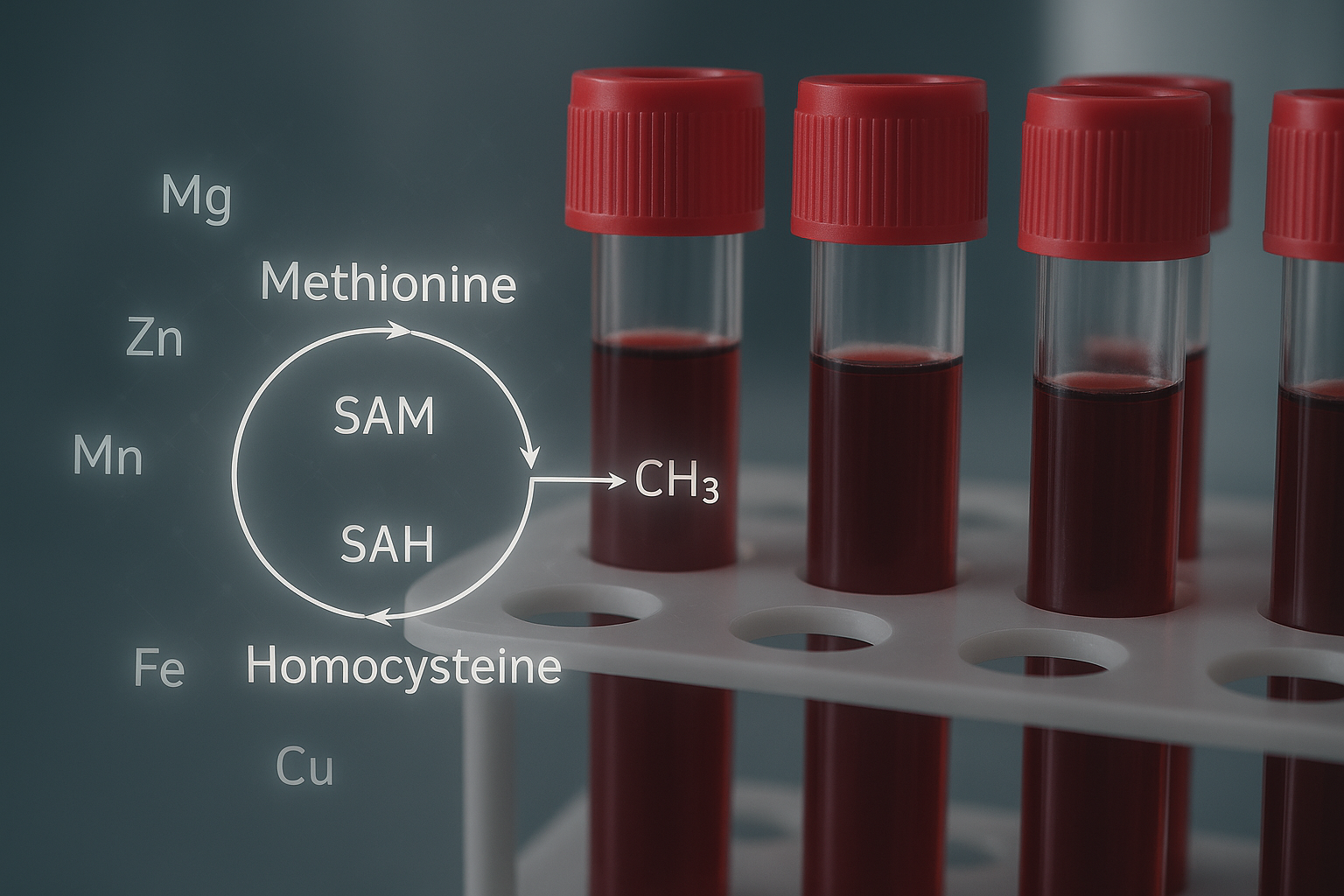
Laboratory Observation
Tracking Biological Regulation Through Measurable Physiology
As part of this long-term investigation, laboratory testing was used as a grounding tool — a way to keep the work anchored in measurable physiology rather than interpretation alone.
The investigation began with prolonged exposure to common modern stimulants and substances, including nicotine, caffeine, cannabis, sugar, alcohol, and later petroleum-derived compounds. Although chemically different, these exposures often produced similar patterns of persistence, continuation, and altered regulation.
Rather than approaching these effects primarily as psychological or behavioral phenomena, the investigation followed their biological footprint.
Repeated laboratory tests were conducted over several years, beginning with myself and later including additional participants. The purpose was not diagnosis, treatment, or optimization. It was observation.
Laboratory data provided a way to track how prolonged stimulation and environmental exposure influence biological regulation over time, especially where subtle shifts accumulate gradually rather than appearing as acute disease.
The objective was simple:
To keep biological claims visible in measurable physiology.
Dates, markers, ranges, and long-term patterns provided a record through which observations could be examined rather than assumed.
What Was Observed
The laboratory work focused on physiological systems involved in regulation, adaptation, and biological timing.
Areas of observation included:
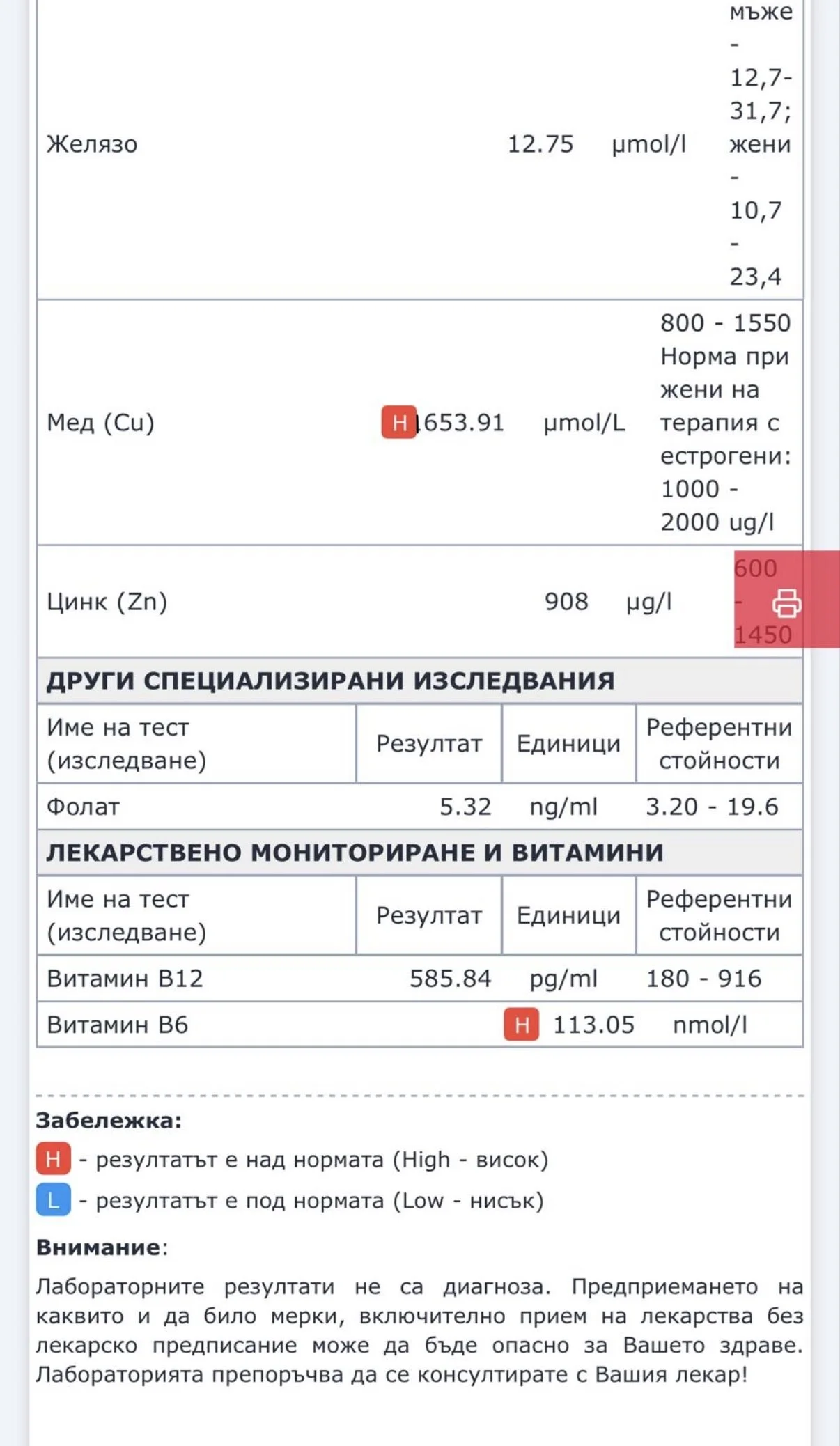
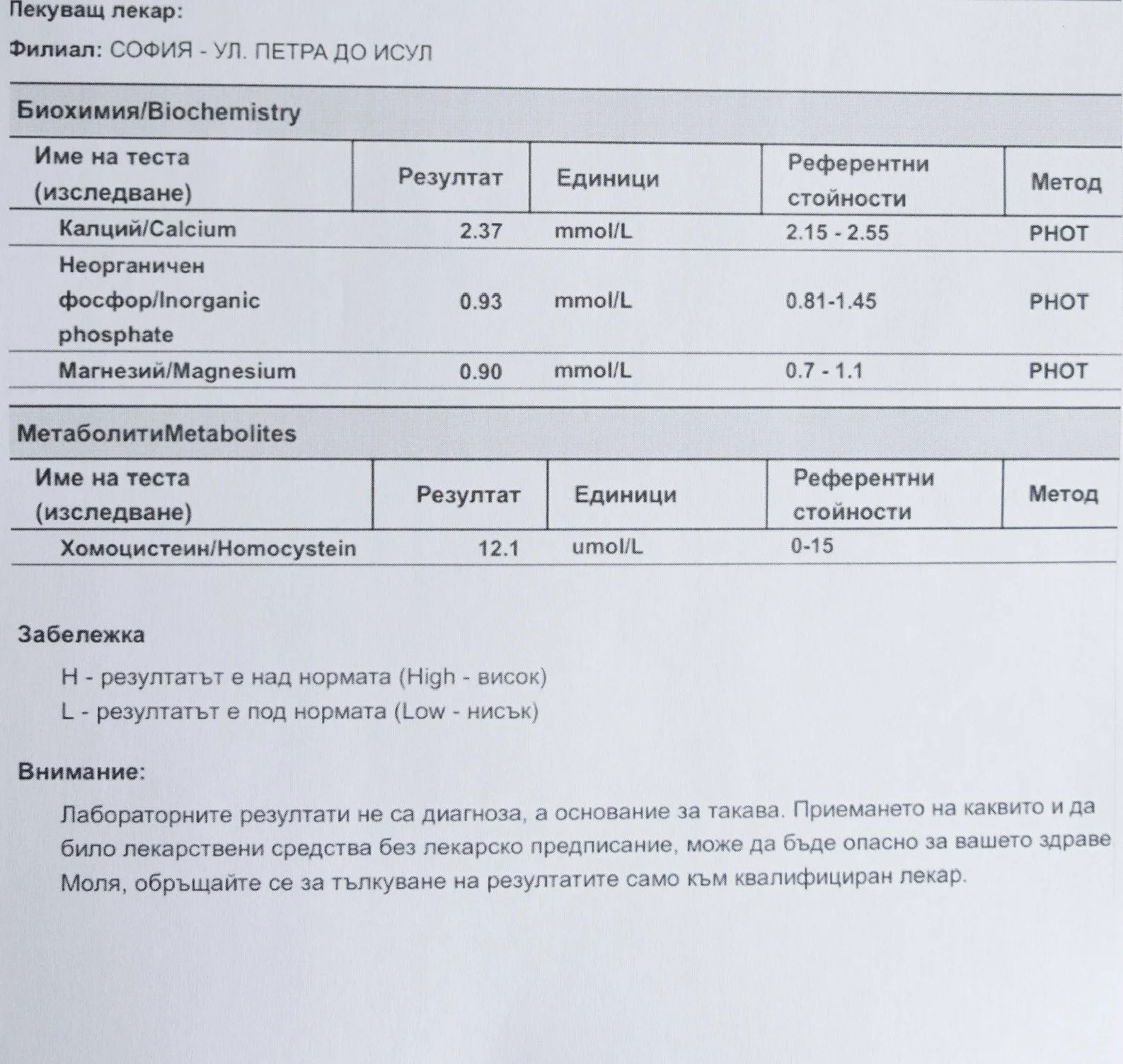
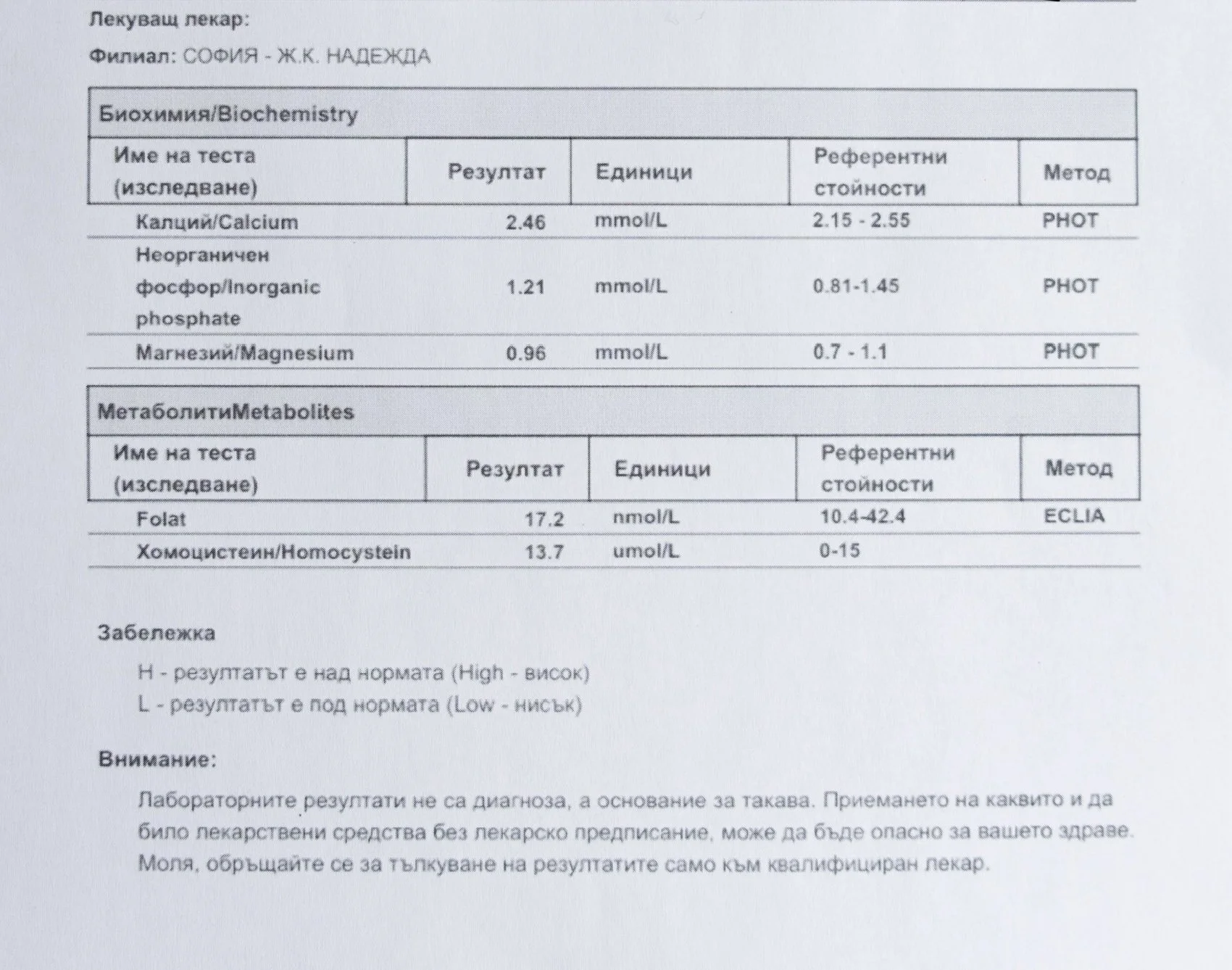
• One-carbon metabolism and methylation pathways
• Homocysteine metabolism
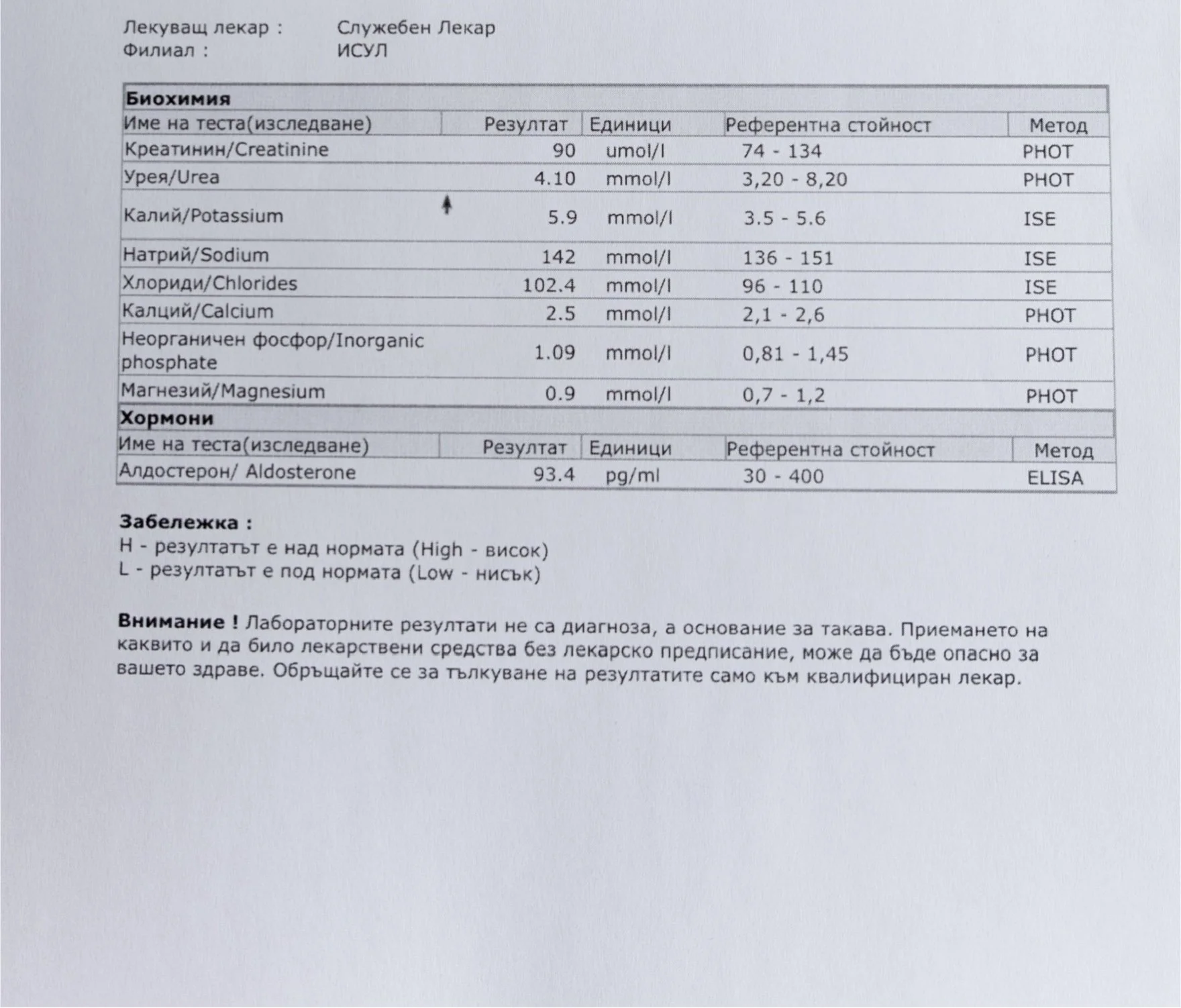
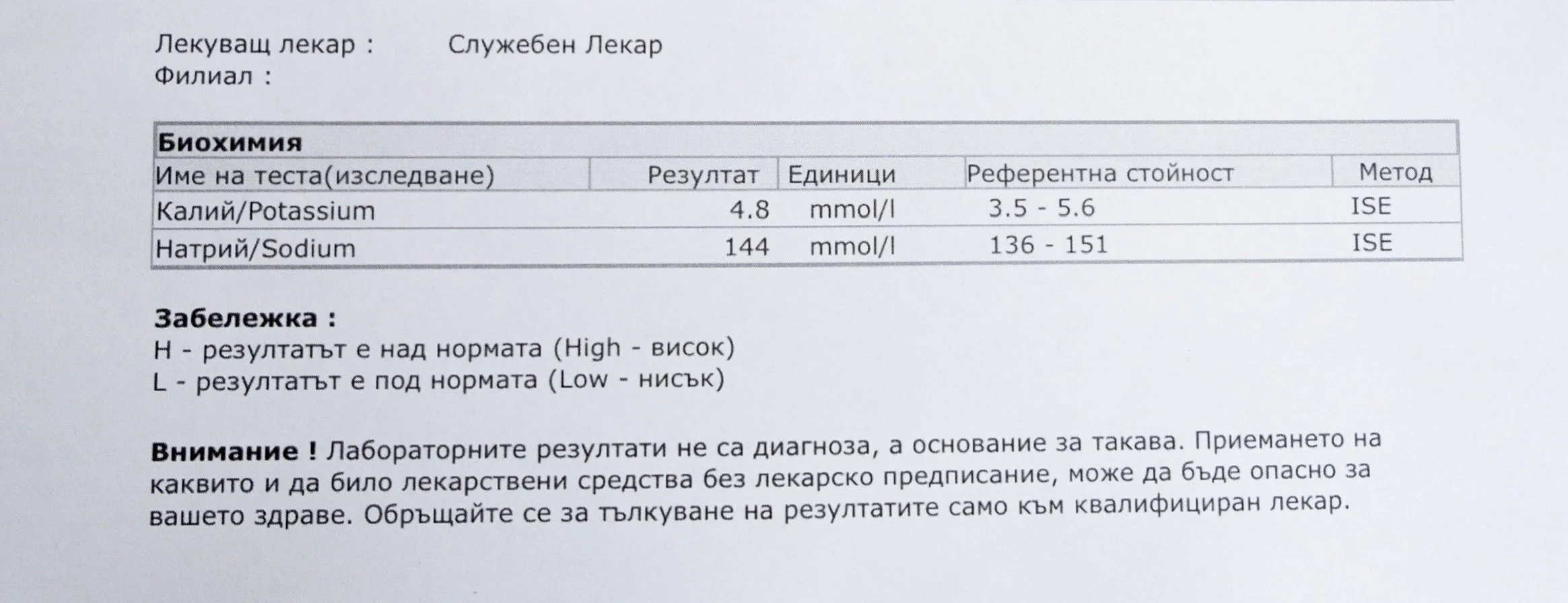
• Mineral balance and trace elements
• Vitamins involved in methylation processes
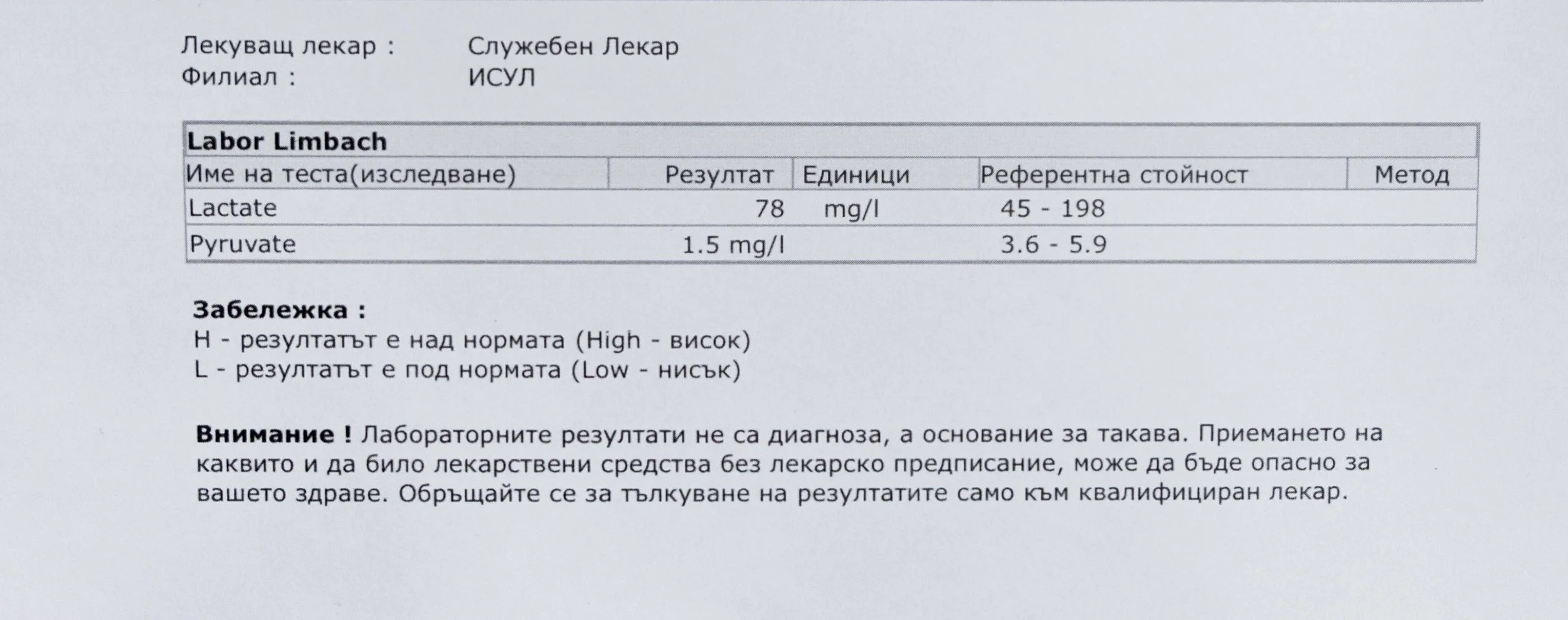
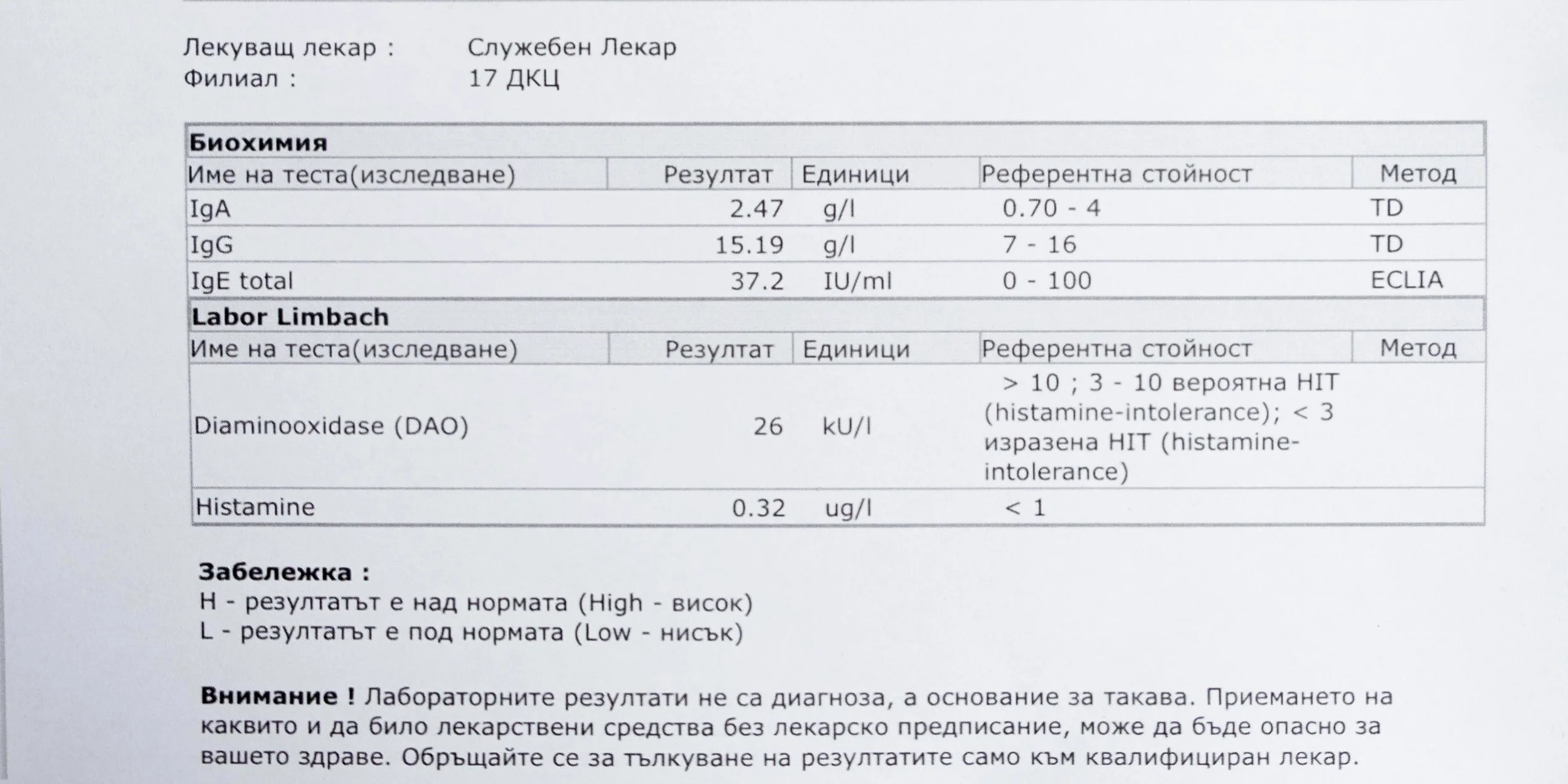
• Markers of metabolic and systemic regulation
Rather than examining these markers in isolation, the investigation followed the relationships between them over time.
The question was not whether a single value was high or low.
The question was whether persistent stimulation altered the capacity of biological systems to complete regulatory processes effectively.
Why Minerals Matter in This Work
Most research concerning one-carbon metabolism focuses on vitamins because they act as direct enzymatic cofactors and are easier to isolate experimentally.
Minerals often receive less attention.
Yet minerals participate throughout biological regulation by stabilizing enzymes, supporting redox balance, regulating electrical gradients, and influencing the conditions under which metabolic processes occur.
Because mineral insufficiency often produces modulation rather than clear deficiency, its effects may remain less visible while still influencing physiological function.
For this reason, mineral status was treated as foundational rather than secondary.
Magnesium, zinc, copper, manganese, and related elements were observed alongside vitamin markers — not as supplements to a model, but as structural conditions influencing biological timing, regulation, and completion.
Homocysteine as a Functional Marker
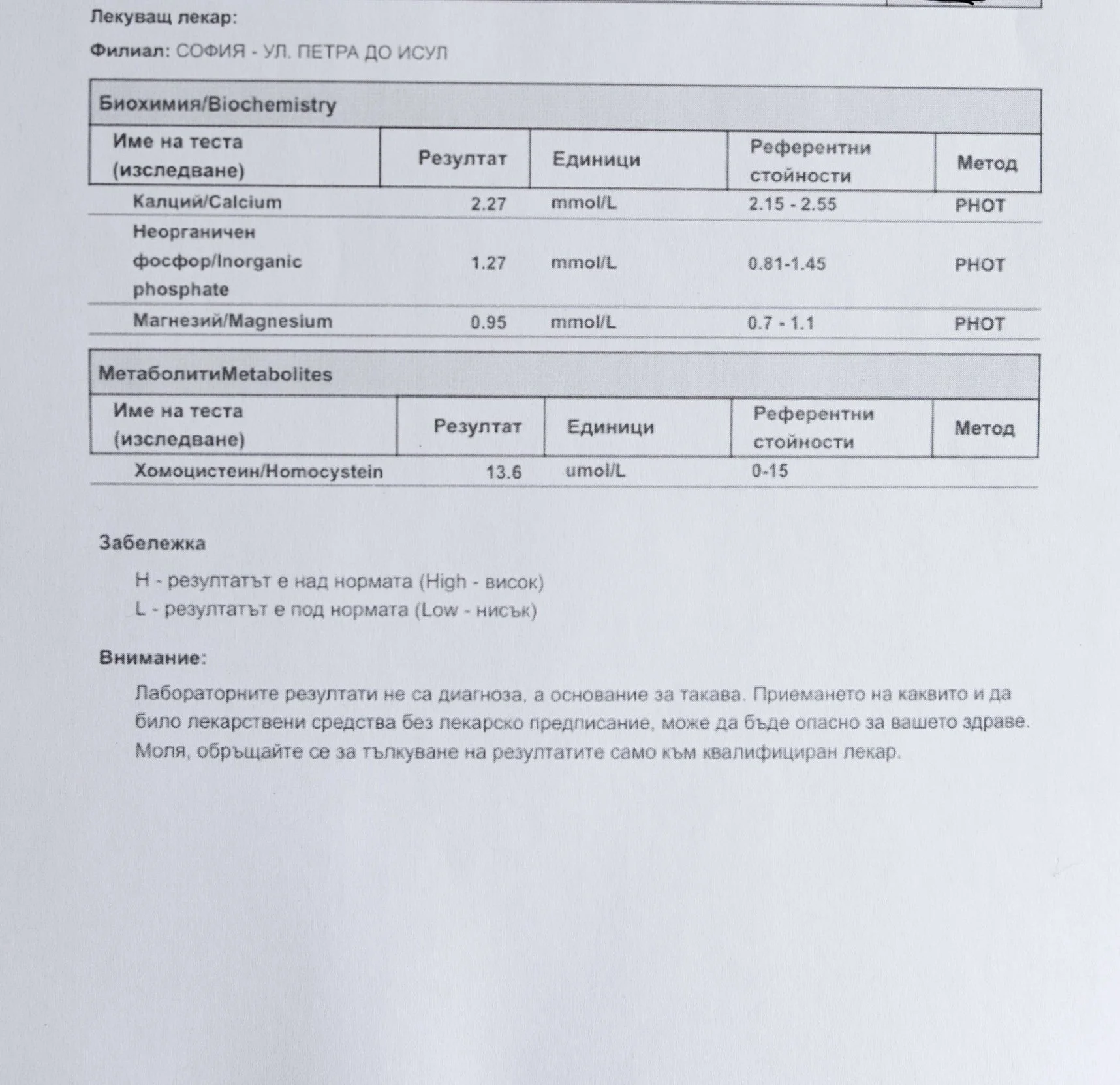
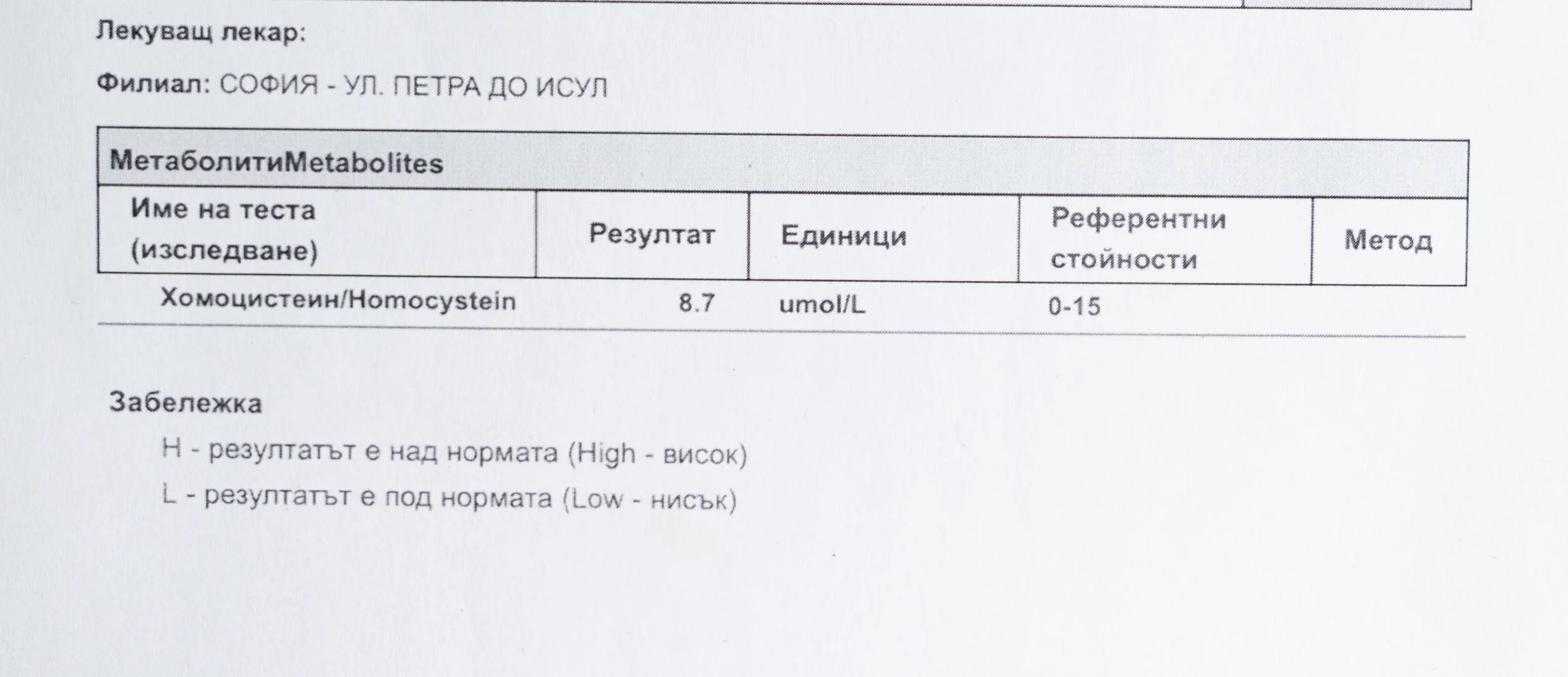
Among the markers followed during the investigation, homocysteine became particularly useful.
Homocysteine is an intermediate product of one-carbon metabolism. When methylation and related metabolic pathways operate efficiently, homocysteine is recycled or converted through interconnected biochemical processes.
When these processes become impaired or constrained, homocysteine may accumulate.
For this reason, homocysteine was used as a functional marker of regulatory integrity rather than as an isolated laboratory value.
Its significance lies not only in cardiovascular risk assessment but also in its relationship to methylation capacity, sulfur metabolism, nutrient availability, and broader metabolic regulation.
Multiple studies have associated elevated homocysteine levels with increased risk across a range of health outcomes. As a result, values once considered acceptable are increasingly being re-evaluated in contemporary research.
The references provided below allow readers to explore these relationships in greater detail.
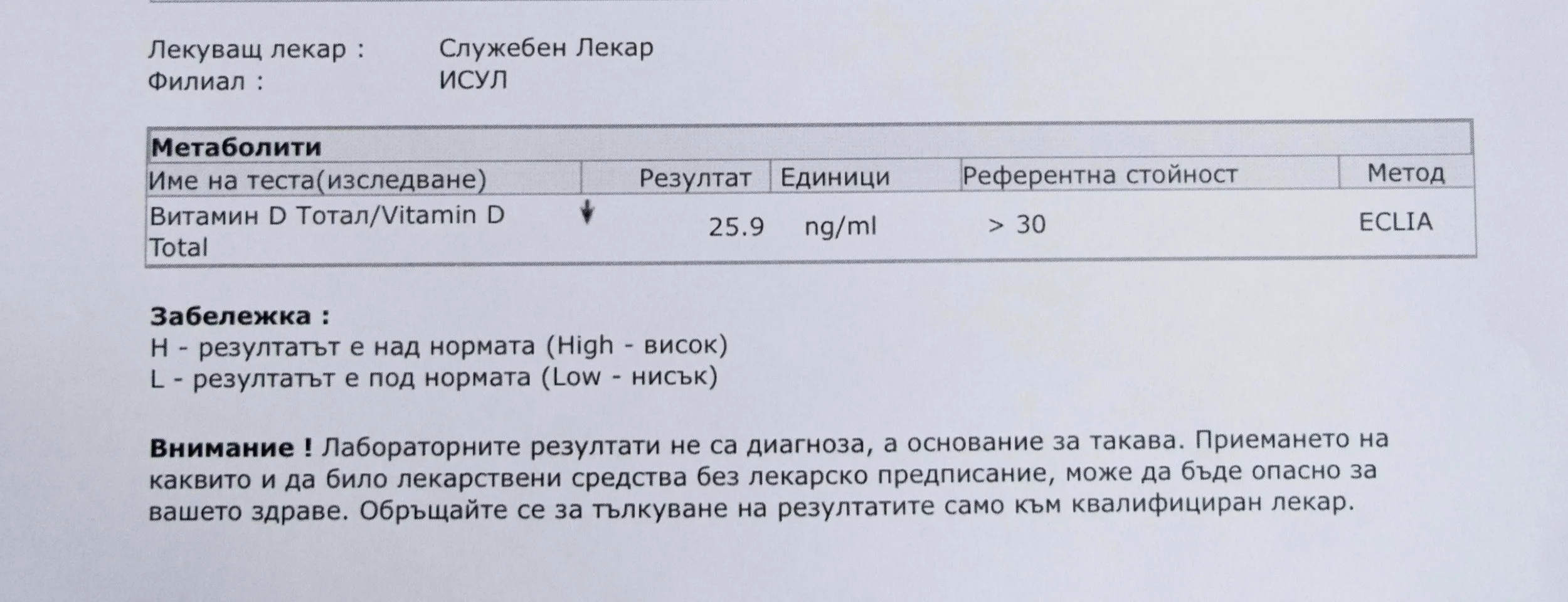
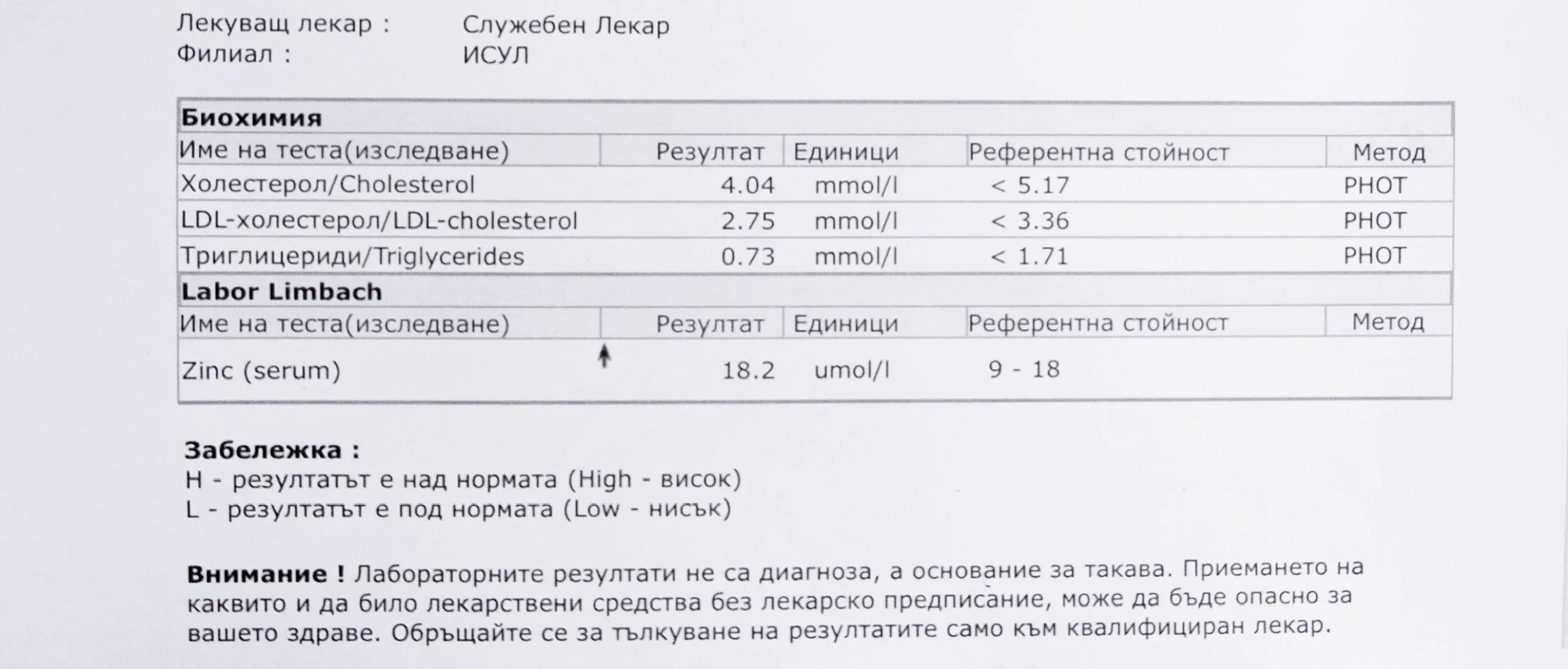
Laboratory Records
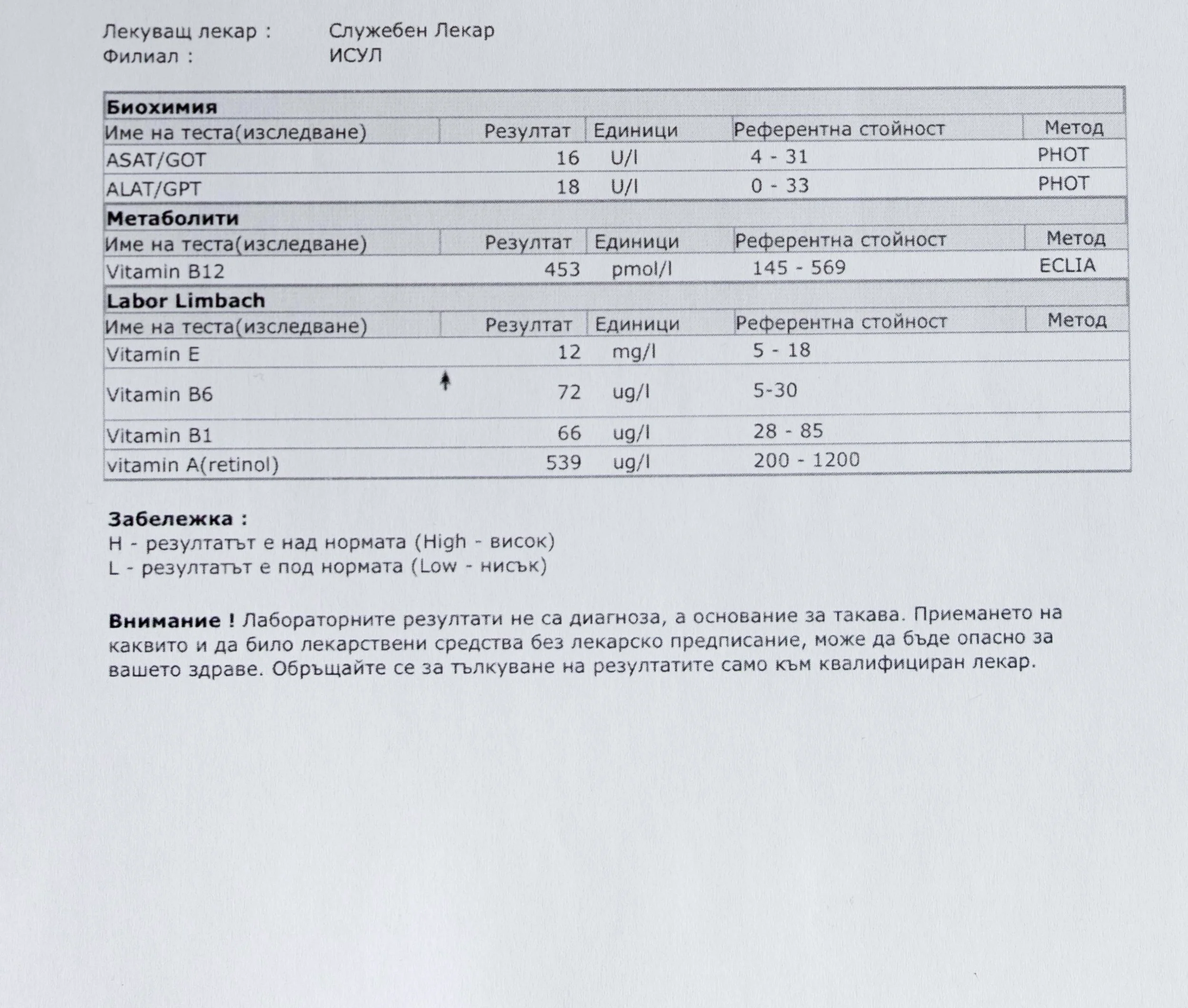
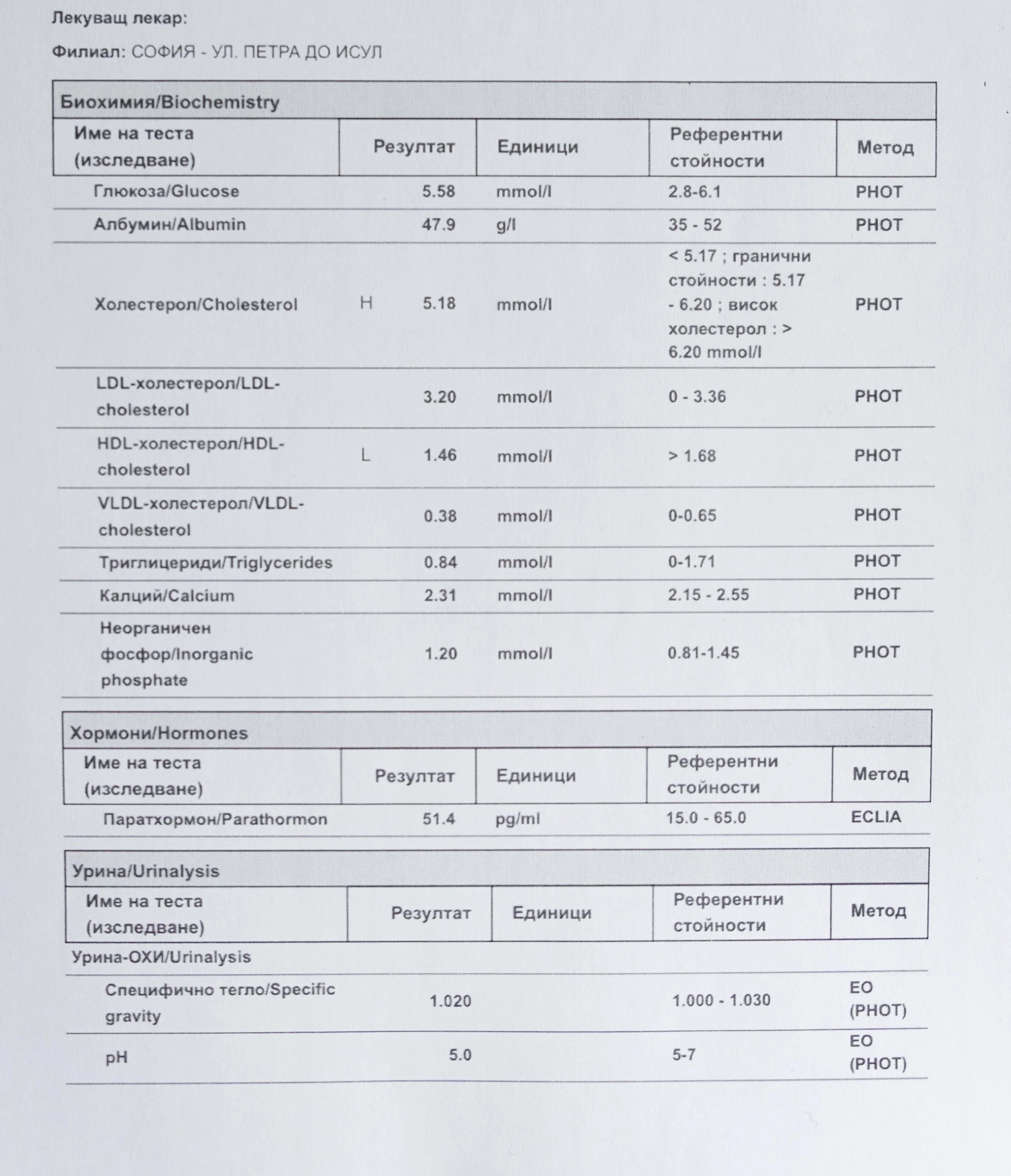
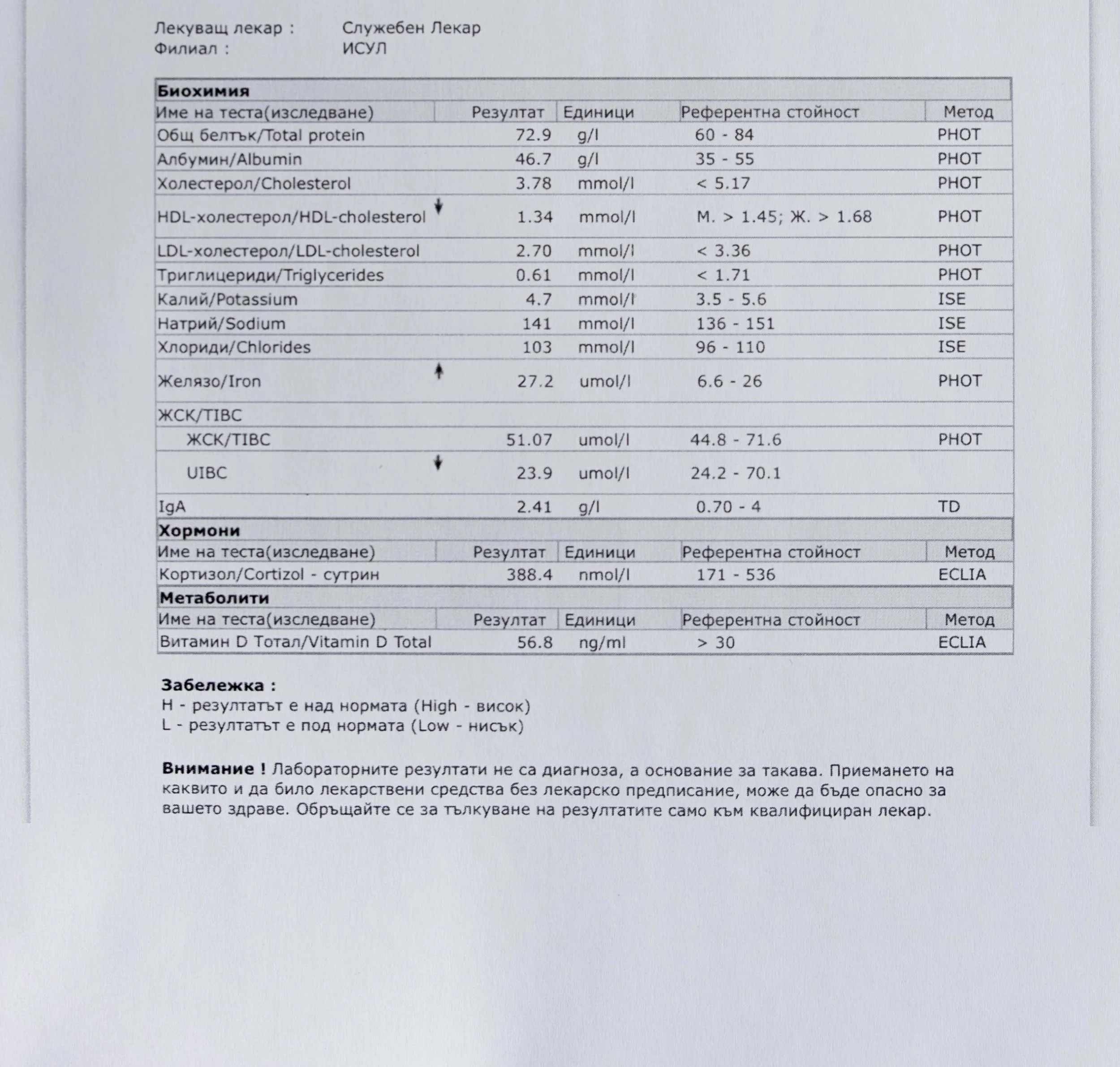
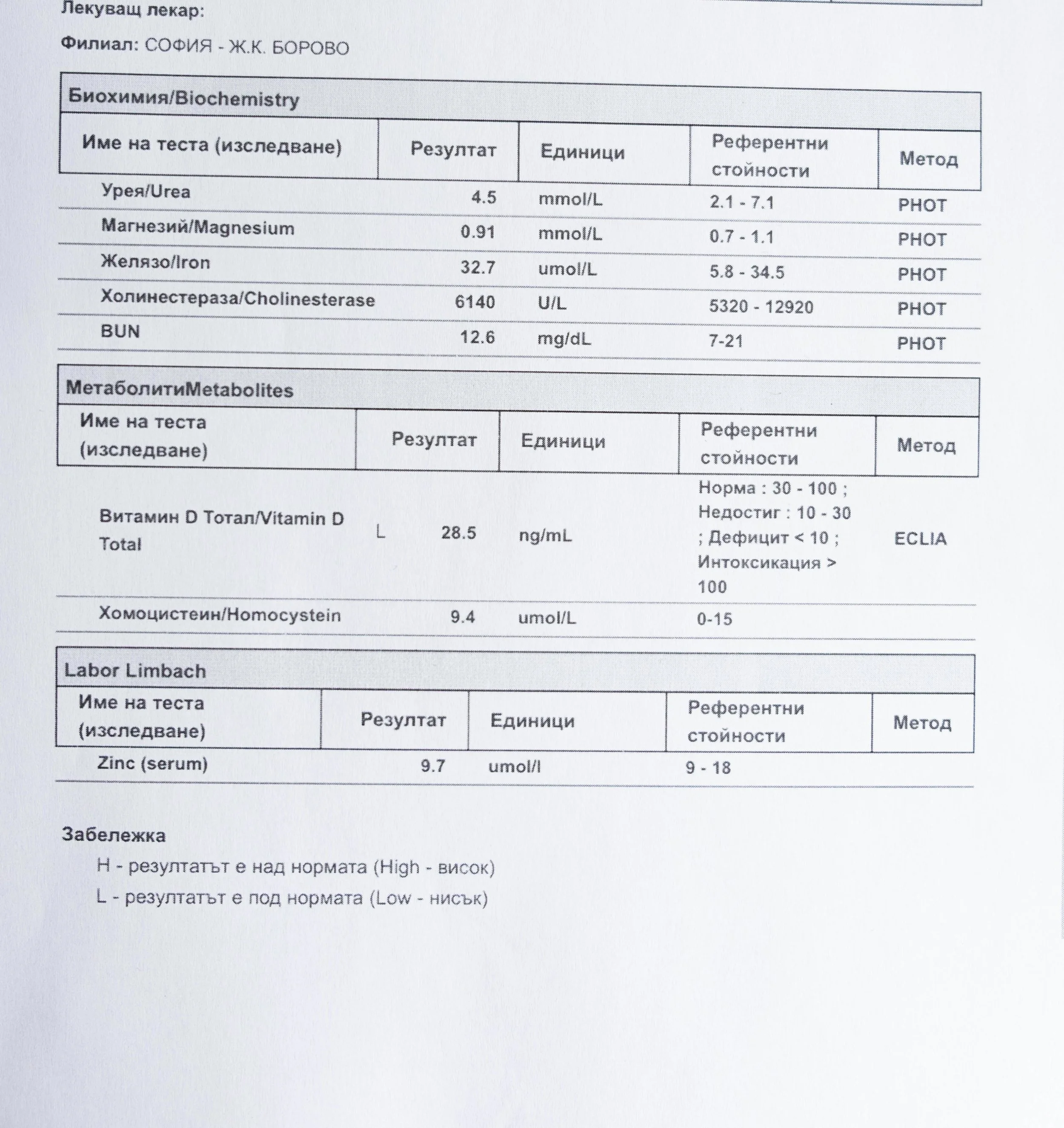
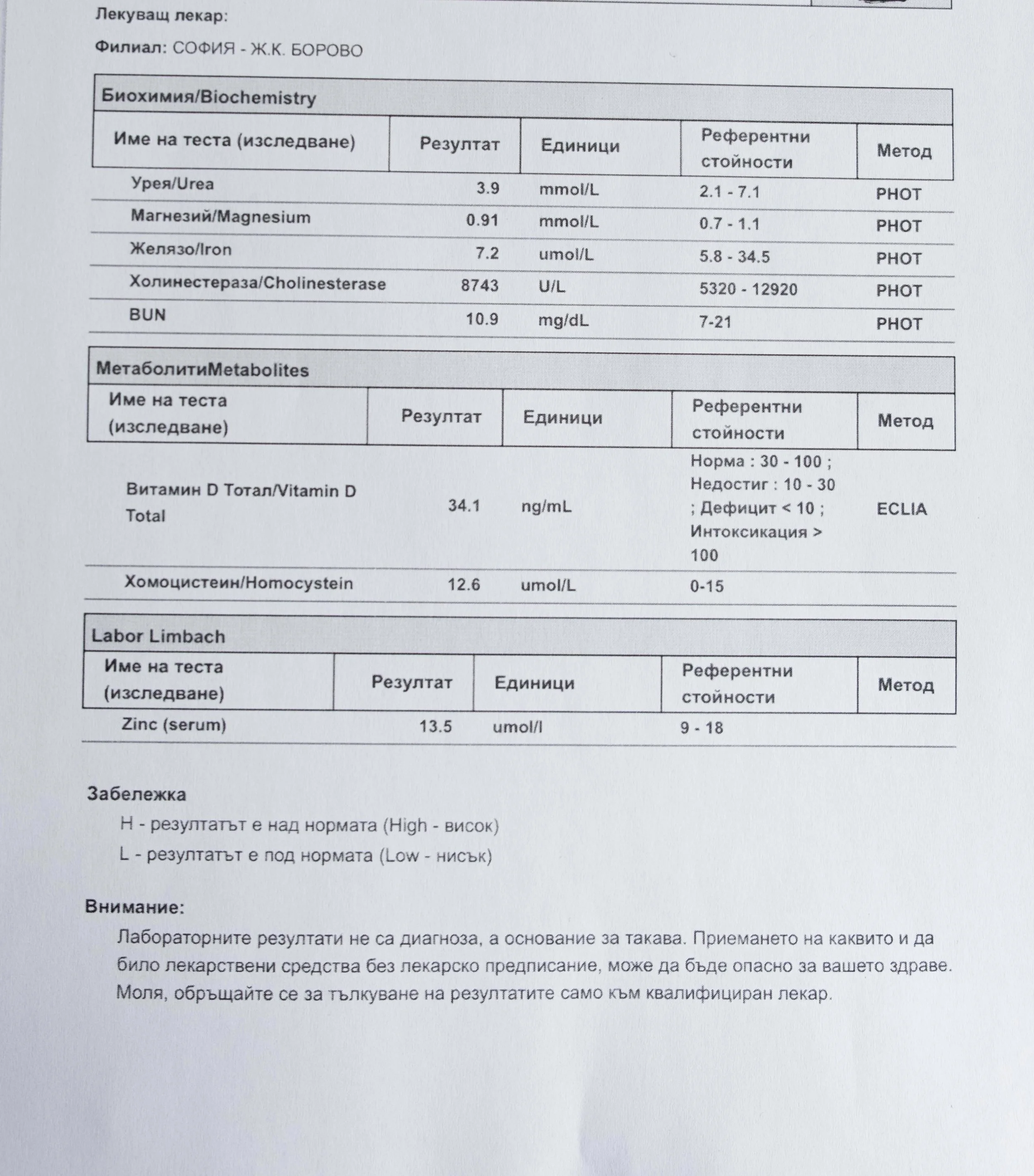
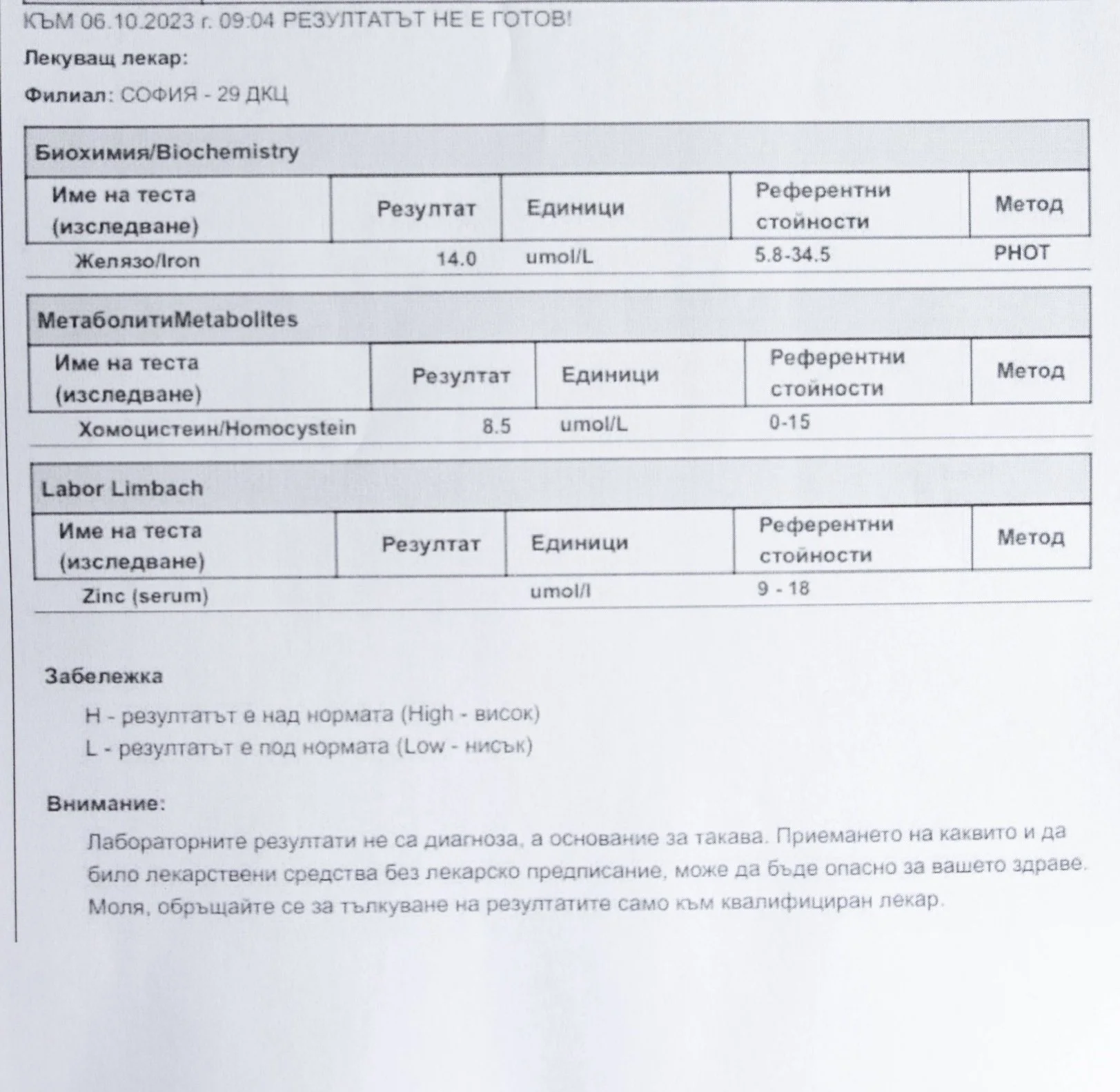
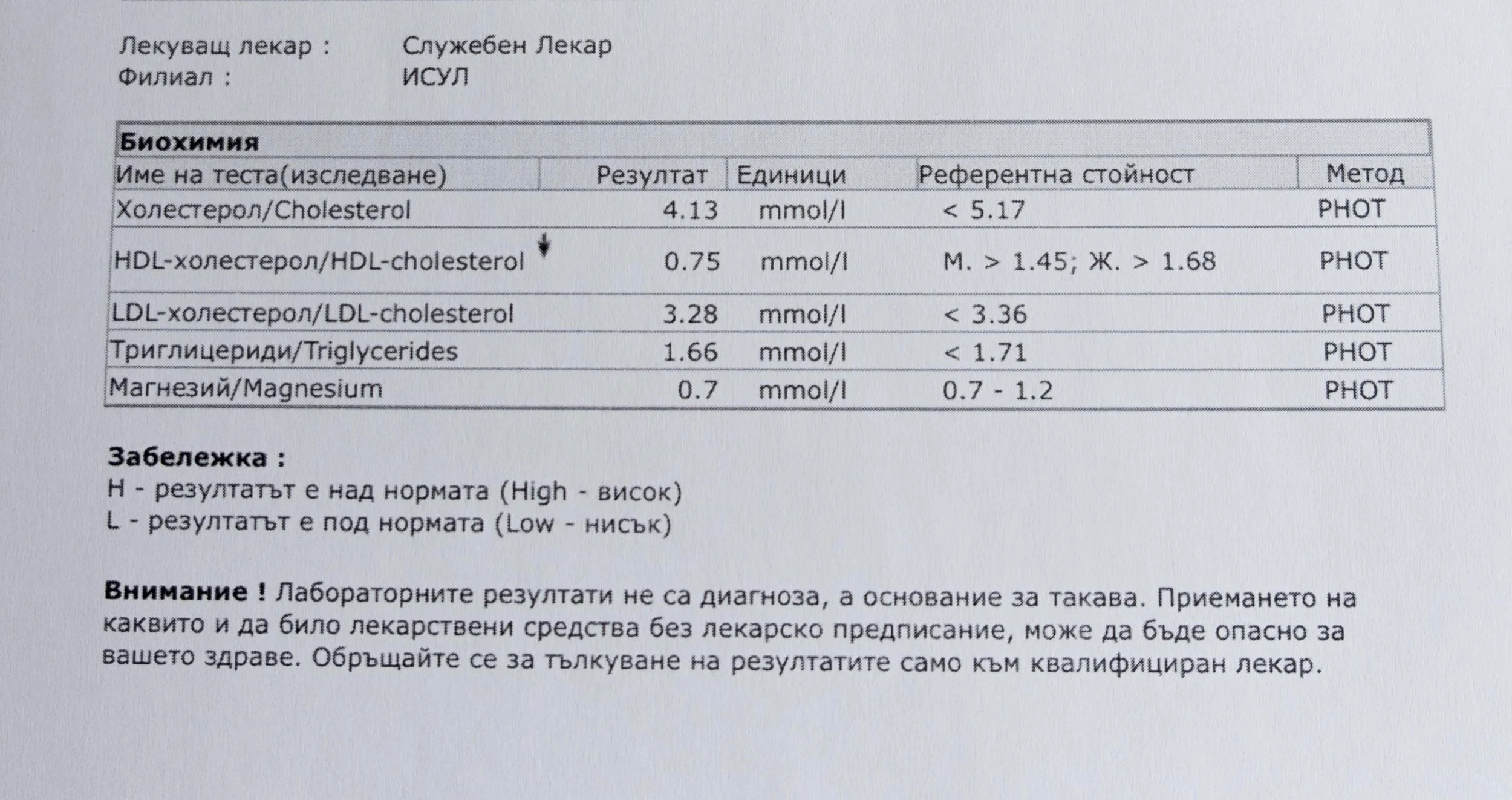
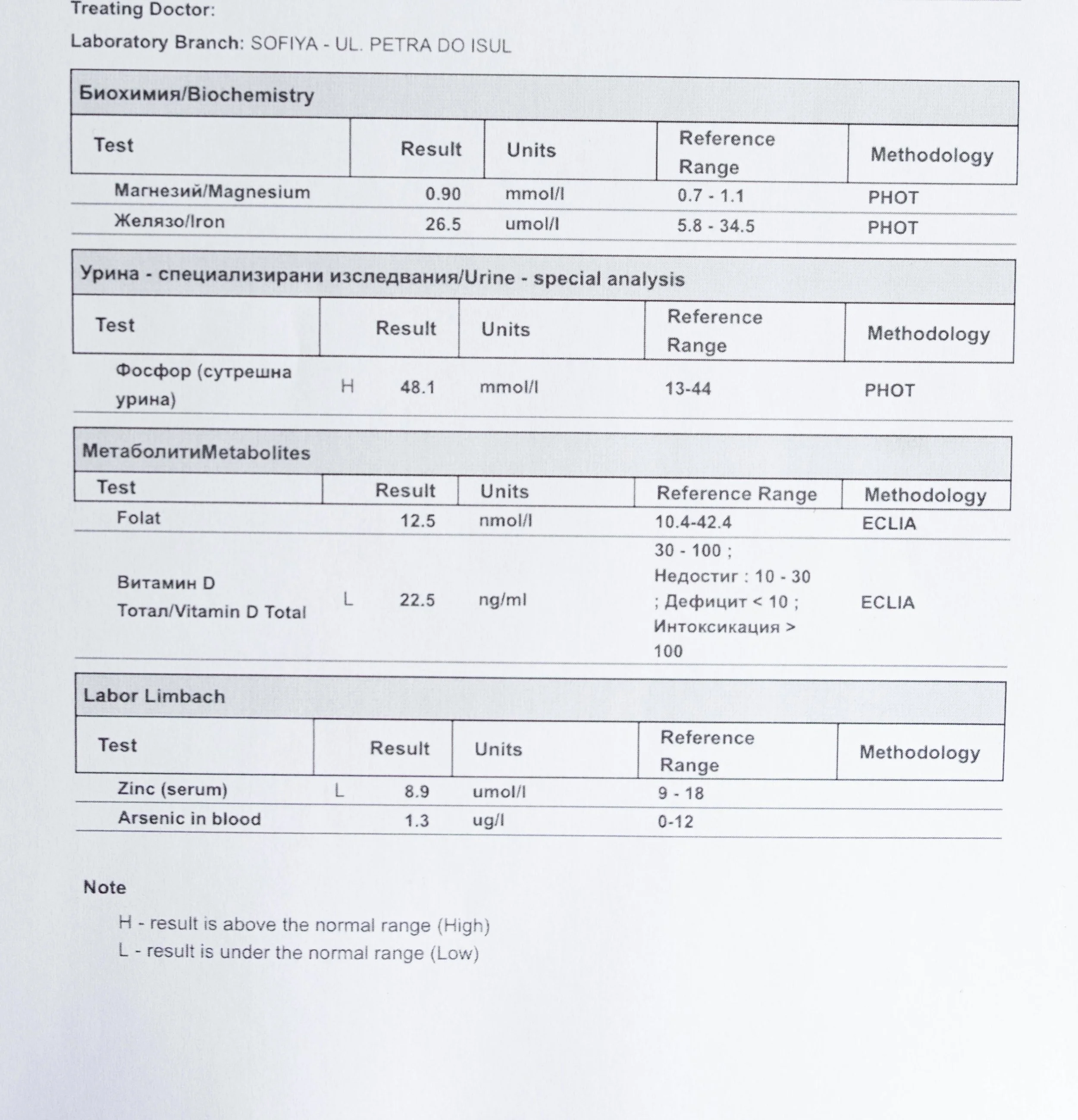
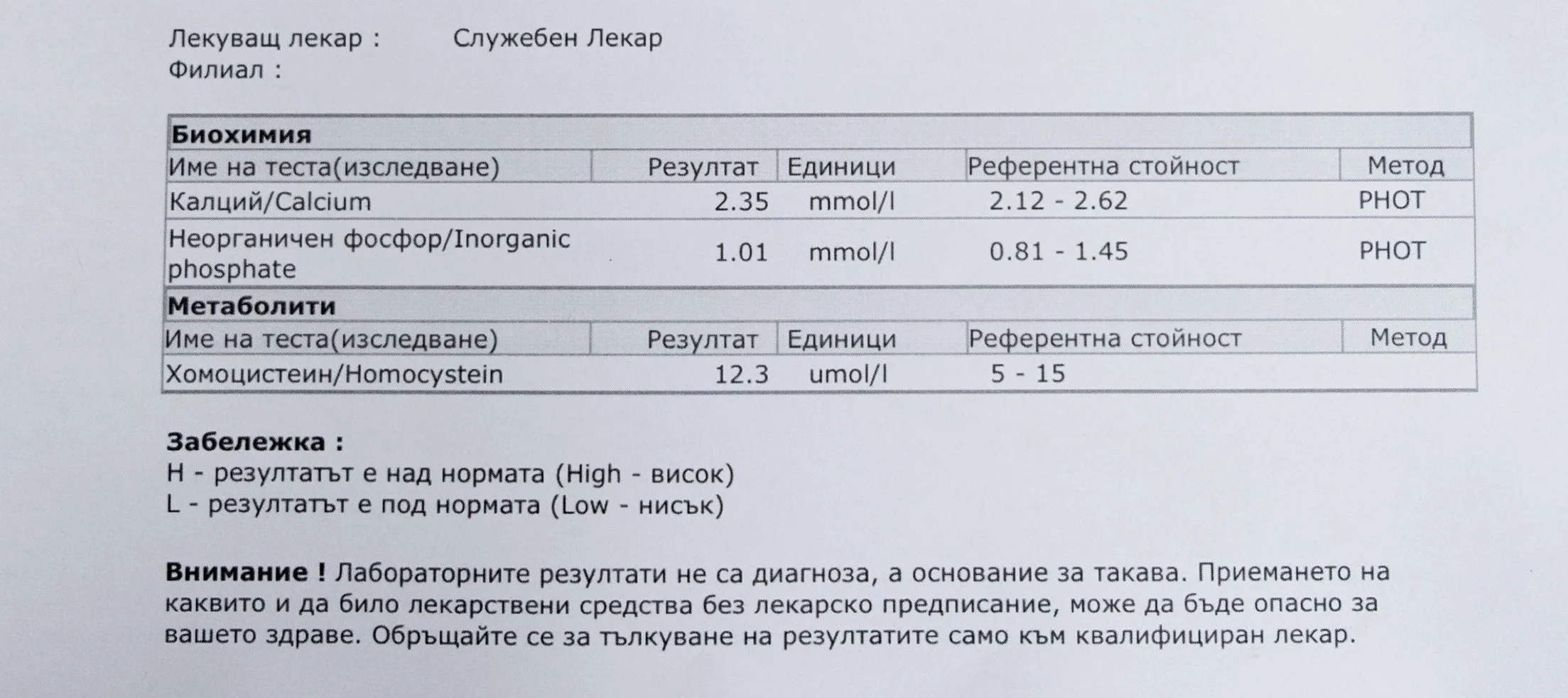
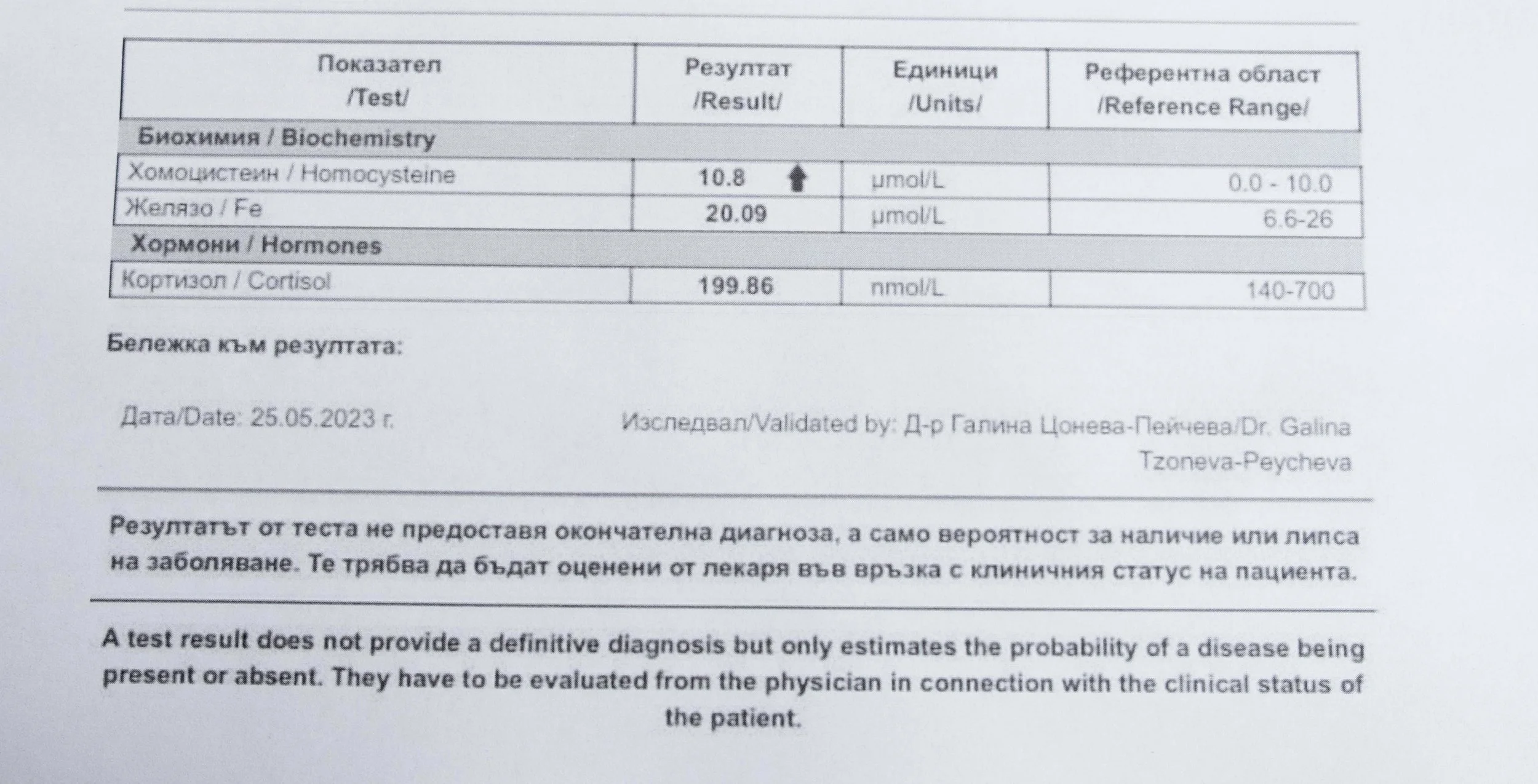
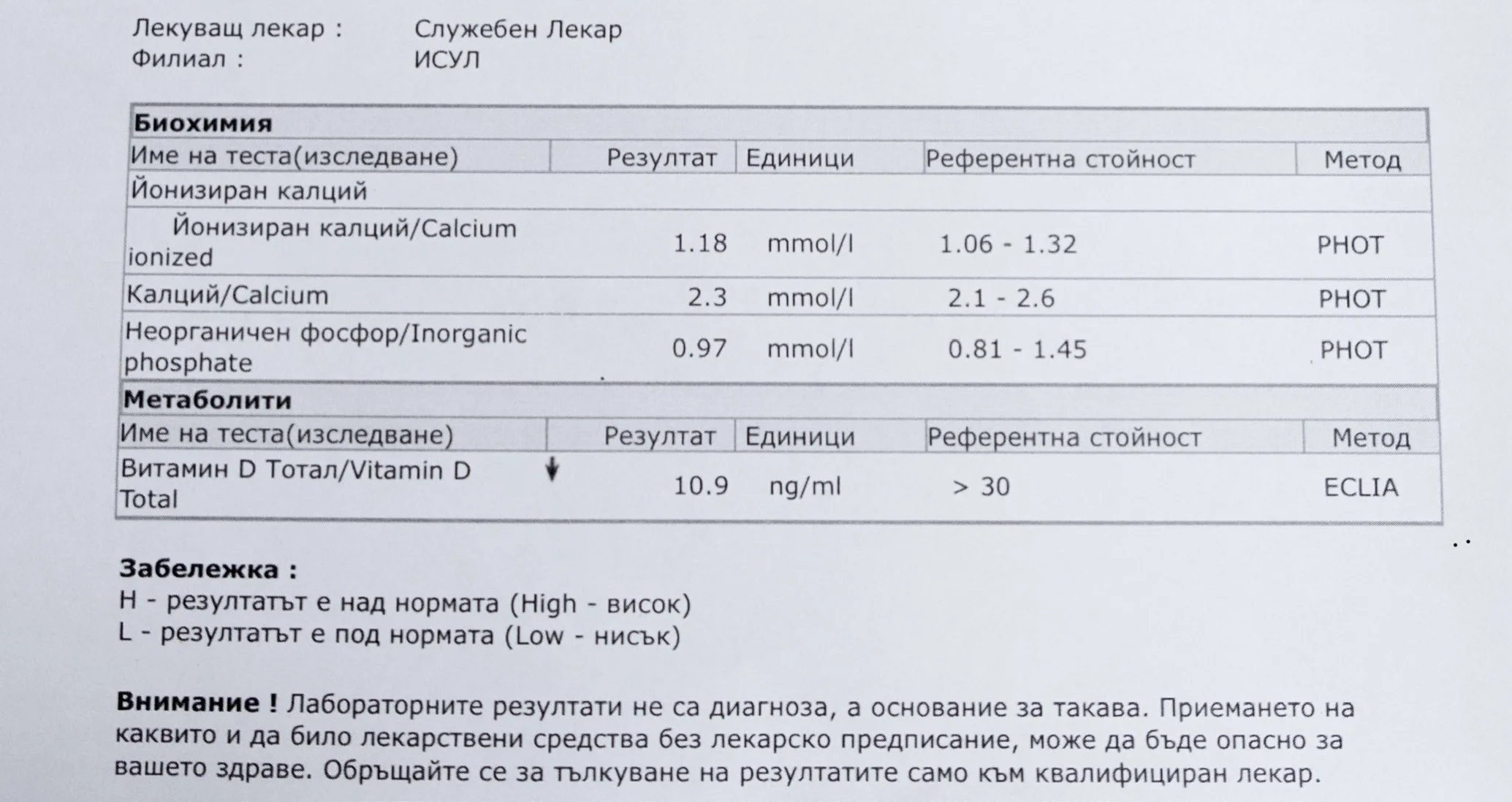
The documents presented below are selected laboratory records collected during the investigation.
Personal identifying information has been removed.
These records are included not as clinical recommendations, but as part of the observational record from which the investigation emerged.
They provide a measurable context for the questions explored throughout this work and allow readers to examine the physiological data that accompanied the development of the investigation.
References
Detailed references supporting the observations presented on this page are available through the Research Library.
Additional resources concerning homocysteine metabolism, one-carbon metabolism, methylation pathways, mineral regulation, and related physiological systems may be consulted there.