Why did I begin this investigation?
Every investigation begins with a question. Mine began with one that refused to disappear.
Why does the body continue to seek more stimulation even when the mind wants to stop?
For years I searched for an explanation. Existing models described addiction through psychology, reward, behavior, or individual substances. Each explained part of the phenomenon, but none fully explained: why biological activation itself seemed unable to return to regulation.
My question remained unresolved for a decade.
What was I trying to understand?
Since 2014, I have followed this investigation across physiology, neurobiology, biochemistry, endocrinology, metabolism, systems biology, and biological regulation. I also returned to earlier traditions of natural philosophy and systems thinking, not to replace modern science, but to examine whether they described patterns that contemporary disciplines often study separately.
Across these fields I found extensive knowledge, but also fragmentation. Individual mechanisms had been described in great detail. What appeared to be missing was a structural framework connecting them.
The organism was not simply seeking more stimulation.
Many biological processes appeared to remain active beyond their natural regulation. New activation frequently entered before previous activation had sufficiently redistributed. Recovery became compressed, regulation became continuous, and what appeared as repetition often reflected unfinished biological processes rather than repeated intention alone.
This observation became the central direction of the investigation.
What did this investigation contribute?
The work developed into two complementary books.
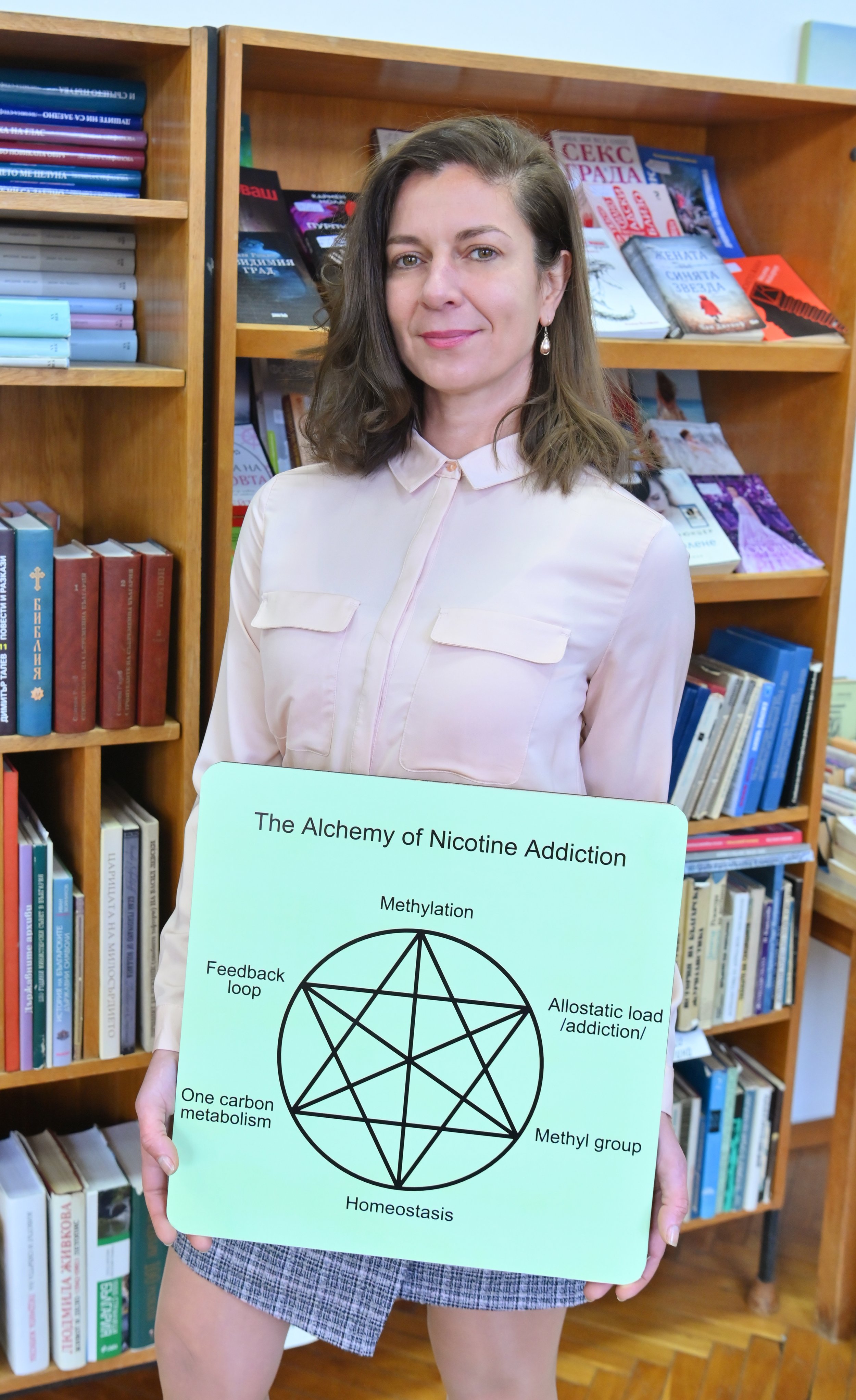
The Architecture of Addictive Energy investigates how persistent activation can become biological structure. Rather than viewing addiction only as dependence on substances or behaviors, it proposes that repeated activation may gradually reorganize physiological regulation itself when activation repeatedly fails to redistribute through the organism.
Biological Time continues the investigation beyond addiction. During the writing of this work on the volcanic island of Milos, Greece, the investigation expanded beyond the question of persistent activation itself. Observing volcanic landscapes, geological redistribution, and the movement of matter through natural systems led to a broader organizing principle.
The second volume explores how unresolved activation changes the distribution of biological energy throughout the organism, how the experience of time changes when biological processes no longer fully separate, and how perception itself reorganizes as activation is progressively redistributed throughout the whole system.
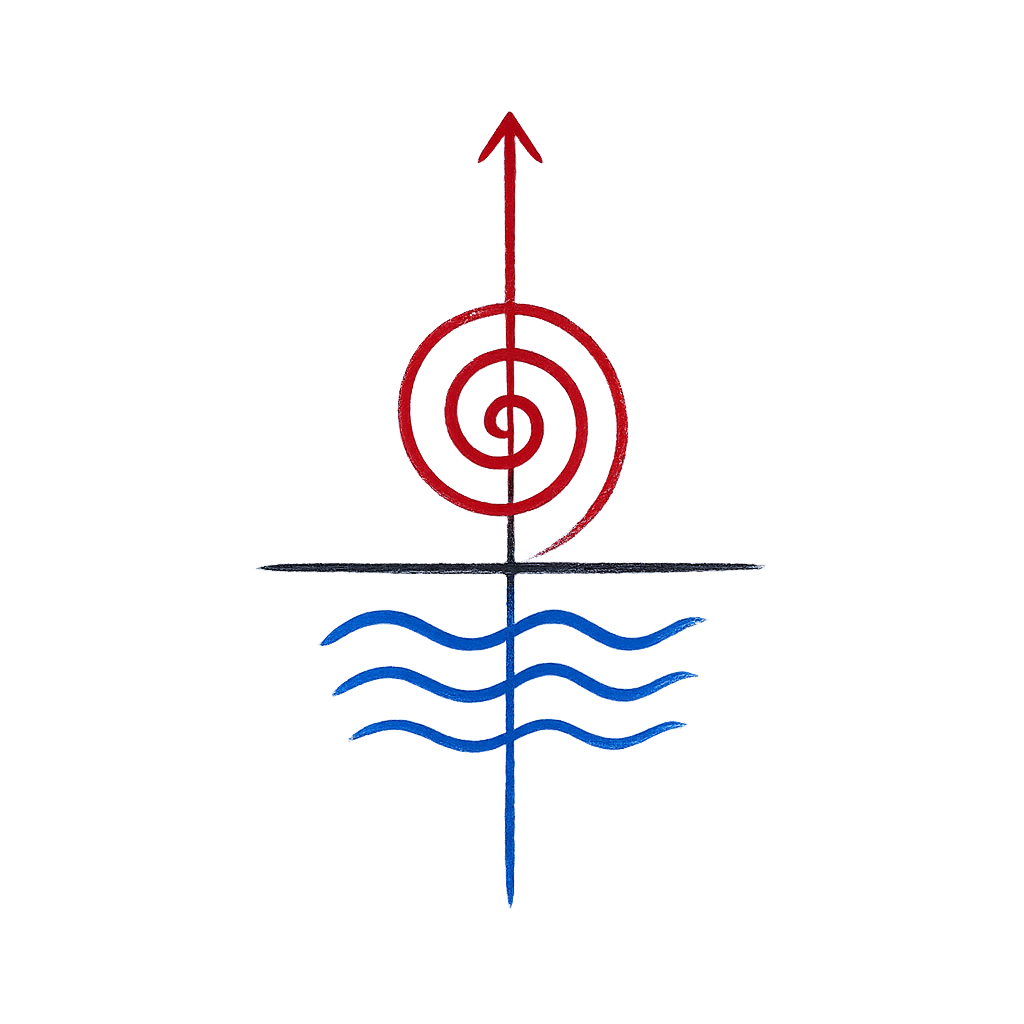
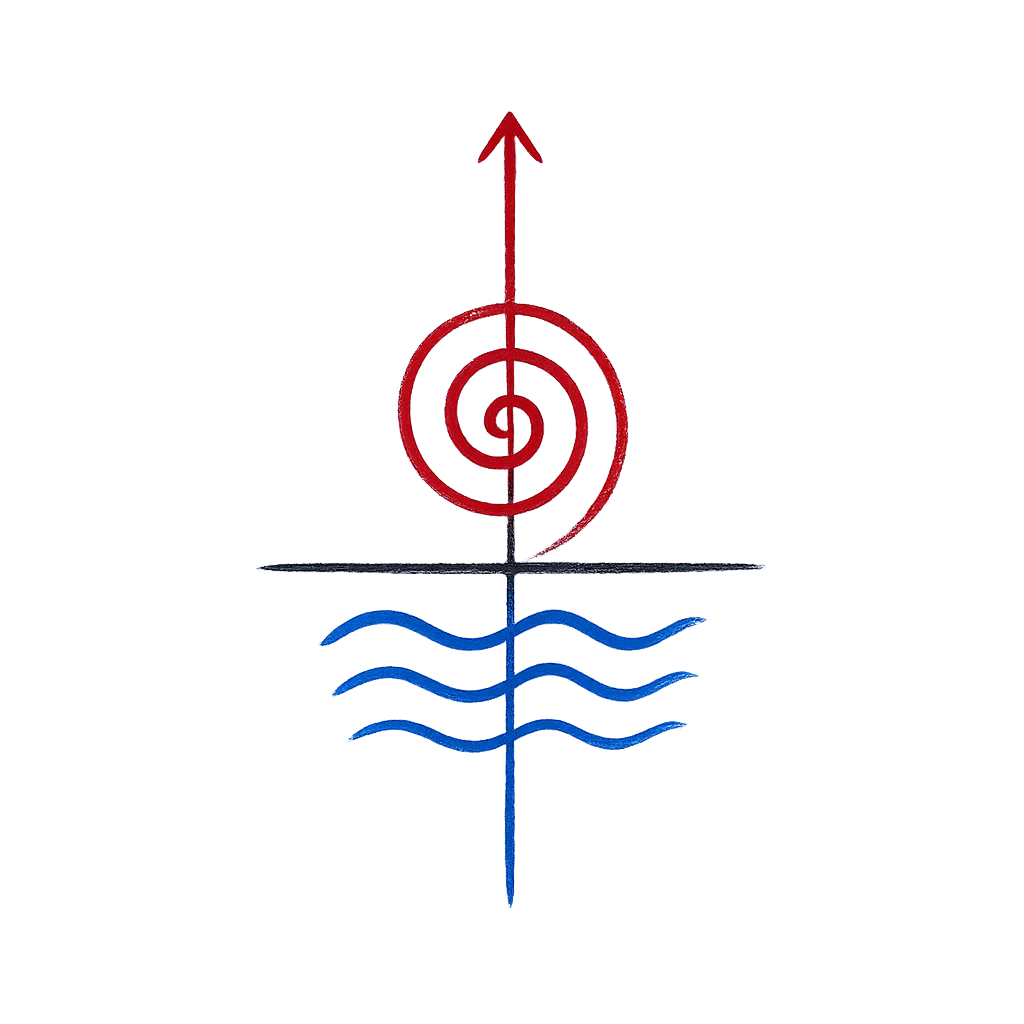
In this sense, Biological Time extends the investigation from persistent activation toward the biological redistribution of activation, proposing that regulation may depend not only on the cessation of stimulation, but on its capacity to redistribute through the living system as a whole.
My books do not present a new disease model, nor a replacement for established scientific knowledge. They propose an integrative framework that brings together observations from multiple disciplines into a single structural perspective.
The central proposal:
The organism does not only seek stimulation. It seeks the redistribution of activation. When redistribution repeatedly becomes impossible, persistent activation itself can become biological and civilizational structure.